Plumbing Inspection in Midlothian, VA
Find hidden leaks and worn pipes early with a clear, honest inspection from local plumbers.
Home Plumbing Inspection Services
Whole-Home Inspections
Leak Detection
Sewer Line Checks


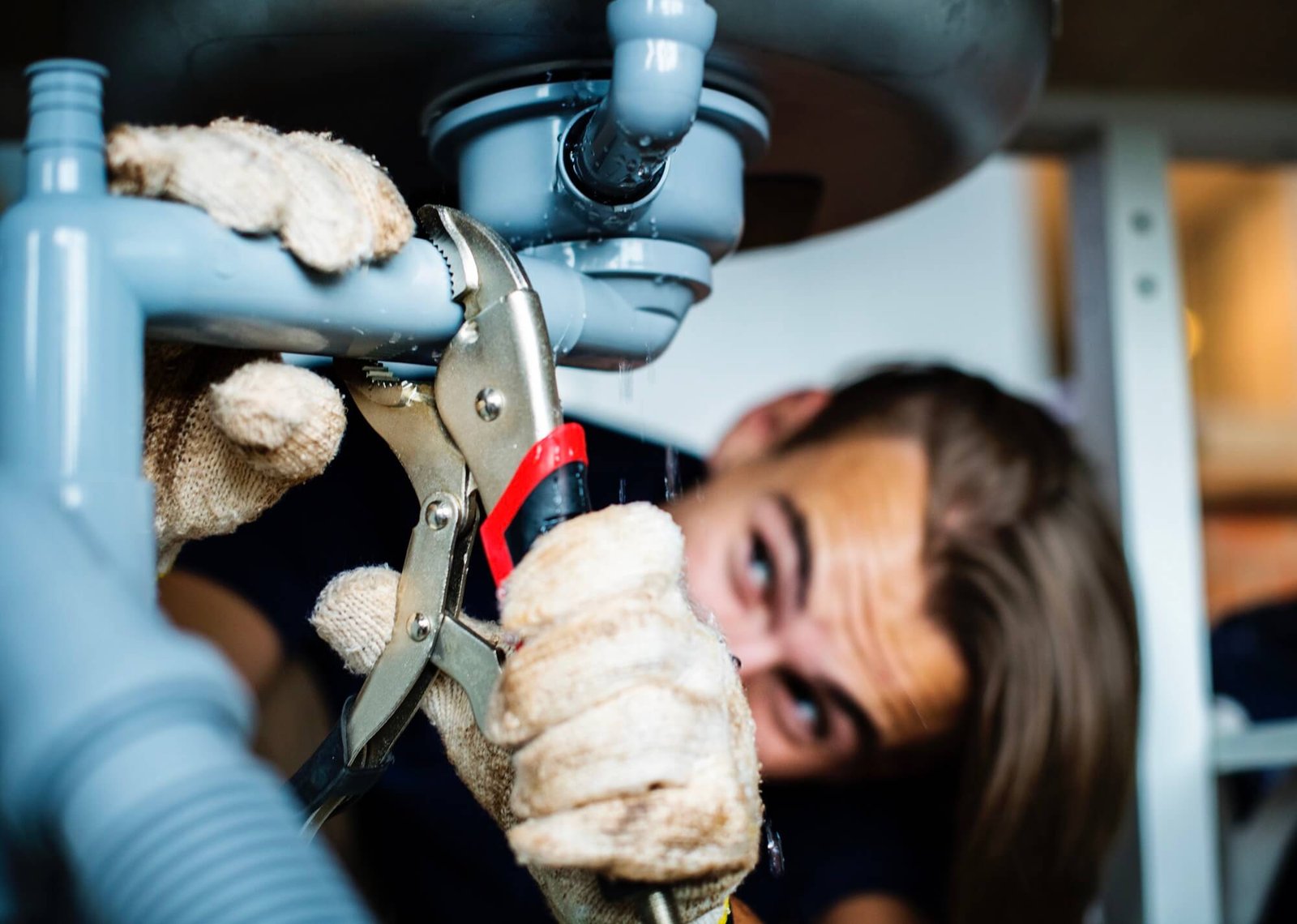
Plumbing problems rarely start loud. A slow drain, a damp cabinet, or a small drop in water pressure can point to a bigger issue hiding inside your pipes. At Leo's Plumbing and Repair, our plumbing inspection in Midlothian, VA helps homeowners find these problems early. We check your visible pipes, fixtures, valves, and water heater, then explain what we find in plain words. You get a clear picture of your home's plumbing system before a small leak turns into water damage or a costly repair bill.
Whether you are buying a home, selling one, or just want peace of mind, a plumbing inspection gives you real answers. Our plumbers serve Midlothian and nearby Chesterfield County, including Brandermill, Salisbury, and Bon Air. We look at supply lines, drain lines, shut-off valves, faucets, toilets, and hose bibs. We also check water pressure and look for signs of corrosion, hidden leaks, and worn parts. After the visit, you will know what is fine, what needs watching, and what to fix first.
Careful Plumbing Checks for Every Room in Your Home
Older homes often have aging pipes, while newer homes can have poor connections or rushed work. Both deserve a second look. Our team inspects copper, PEX, PVC, and cast iron lines and tells you how each one is holding up. If your drains are slow, we can also suggest a sewer camera inspection to see inside the line. You will never be pushed into repairs you do not need. We give honest advice so you can plan your budget, protect your property, and feel confident about your plumbing system.

Pipe & Supply Line Checks
Water Heater Inspection
Drain & Sewer Line Checks
Leak & Pressure Testing
- Process
What Happens When You Book a Plumbing Inspection
Our inspection process is simple and stress free. You call, we visit, and you get clear answers about your plumbing without any confusing terms.
Easy Contact & Scheduling
Call or message us, tell us what you are seeing, and pick a time that fits your day.
Thorough On-Site Inspection
Our plumber checks your pipes, drains, fixtures, valves, and water heater from top to bottom.
Clear Report & Next Steps
You get a plain-language summary of what we found, plus simple options for any repairs.
- Testimonial
What Our Clients Say
5.0
Leo's Plumbing did a full plumbing inspection before we closed on our house. They found a slow leak under the sink and explained everything clearly.



Danis Morris
Customer
5.0
Fast, polite, and very honest. They checked our pipes and water heater, showed us what to watch for, and never pushed extra work on us.

Esther Howard
Customer
5.0
We booked an inspection after noticing low water pressure. The team found the cause quickly and gave us simple options to fix it.
Dorry Frase
Customer
Frequently Asked Questions
Here are quick answers to common questions about plumbing inspections for homes in Midlothian, VA and Chesterfield County.
1. What does a plumbing inspection include?
A plumbing inspection covers your visible pipes, drains, faucets, toilets, shower fixtures, shut-off valves, and water heater. We also check water pressure and look for leaks, corrosion, and worn parts. When needed, we can add a sewer camera inspection to see inside the main drain line.
2. How often should I get a plumbing inspection?
Most homes benefit from an inspection every one to two years. Older homes, homes with past leaks, and homes with slow drains may need one more often. You should also book one before buying or selling a home, or after any major water damage.
3. Do I need a plumbing inspection before buying a home?
It is a smart step. A general home inspection may only cover basic plumbing items. A dedicated plumbing inspection looks closer at pipe condition, drains, water pressure, and the water heater, so you can spot repair costs before you sign.
4. What are the signs that I need a plumbing inspection?
Watch for low water pressure, slow drains, musty smells, damp walls or cabinets, rusty water, or a sudden jump in your water bill. Gurgling drains and a struggling water heater are also red flags. Any of these can point to a hidden leak or a failing pipe.
5. How long does a plumbing inspection take, and what does it cost?
Most home plumbing inspections take about one to two hours, depending on the size of the home and the age of the system. Cost depends on the home and any extra checks, like a sewer camera. Call us at 804-376-7235 for a clear quote.
Plumbing Inspection in Midlothian, VA: A Complete Guide for Homeowners
A plumbing inspection is a careful check of the pipes, drains, fixtures, valves, and water-using appliances in a home or building. A licensed plumber looks for leaks, damage, wear, and poor installation. The goal is to find small problems before they become expensive repairs. Leo’s Plumbing and Repair provides plumbing inspection services for homes and businesses in Midlothian, VA, and nearby areas of Chesterfield County and the Richmond region.
What Is a Plumbing Inspection?
A plumbing inspection is a detailed review of your plumbing system. It covers the water supply lines that bring fresh water in, the drain lines that carry wastewater out, and the fixtures and appliances connected to them. Many people call it a home plumbing inspection, a plumbing system inspection, or a plumbing check-up. All of these mean the same thing: a professional looks at your plumbing and tells you what condition it is in.
How Does a Plumbing Inspection Work?
The process is simple. Here is what usually happens from start to finish.
Step 1: Booking and Questions
You contact the plumber and share what you have noticed, such as slow drains, low water pressure, or a musty smell. The plumber may also ask how old your home is and whether you have had past leaks.
Step 2: Visual Check of Pipes and Fixtures
The plumber checks all visible pipes, including those under sinks, in basements, in crawl spaces, and near the water heater. They look for rust, stains, drips, loose fittings, and signs of past repairs.
Step 3: Testing Water Flow and Pressure
A pressure gauge is often attached to an outdoor spigot or another outlet to measure water pressure. Pressure that is too high can strain pipes and appliances. Pressure that is too low can point to a blockage or a leak.
Step 4: Testing Drains and Toilets
The plumber runs water in sinks, tubs, and showers to see how quickly they drain. Toilets are flushed and checked for running, rocking, or weak flushing. Slow or gurgling drains can be an early sign of a clog or a sewer line issue.
Step 5: Water Heater Review
The plumber checks the age of the tank, the shut-off valve, the pressure relief valve, and any signs of rust or leaks around the base. Most tank water heaters last around 8 to 12 years, so age matters.
Step 6: Leak and Moisture Detection
Tools like moisture meters help find dampness inside walls, floors, and ceilings without cutting them open. This helps find hidden leaks that cannot be seen by eye.
Step 7: Optional Sewer Camera Inspection
If drain problems are found, a small waterproof camera can be fed into the sewer line. This shows cracks, tree root intrusion, bellies in the pipe, or buildup inside the line.
Step 8: Findings and Recommendations
After the inspection, you get a plain-language summary. It explains what is in good shape, what needs to be watched, and what should be repaired first.
What Do Plumbers Look for During an Inspection?
Plumbers check many parts of the system. Common items include:
- Supply lines made of copper, PEX, PVC, CPVC, or galvanized steel
- Drain, waste, and vent lines, including cast iron and PVC
- Main water shut-off valve and fixture shut-off valves
- Faucets, showerheads, tubs, sinks, and toilets
- Garbage disposals and dishwasher connections
- Washing machine hoses and connections
- Outdoor hose bibs and spigots
- Sump pumps and drainage areas
- Water heater and expansion tank
- Signs of corrosion, mineral buildup, and water damage
What Are the Warning Signs You Need a Plumbing Inspection?
Book an inspection if you notice any of these:
- Low water pressure or pressure that changes often
- Slow drains or drains that gurgle
- Rusty, brown, or cloudy water
- Damp spots, stains, or peeling paint on walls and ceilings
- A musty or sewage smell
- A water bill that rises with no clear reason
- The sound of running water when nothing is on
- A water heater that runs out of hot water fast
- Cracks in the foundation or wet areas in the yard
Plumbing Inspection vs. General Home Inspection: What Is the Difference?
A general home inspection covers the whole house, including the roof, electrical, heating, and structure. Plumbing is only one small part of that report. A dedicated plumbing inspection goes deeper. It focuses on pipe condition, drain performance, water pressure, and hidden leaks. This gives buyers, sellers, and owners a much clearer view of the plumbing system.
When Should You Schedule a Plumbing Inspection?
Common times to book include:
- Before buying a home, to learn about repair costs before closing
- Before selling, to fix problems and avoid surprises during negotiations
- After moving into an older home
- After a flood, freeze, or major leak
- Before a bathroom or kitchen remodel
- Once every one to two years as routine maintenance
- Before winter, to check for pipes that could freeze
What Affects the Cost of a Plumbing Inspection?
Cost depends on a few things: the size of the home, the age of the plumbing, how many fixtures there are, and whether extra services are needed, such as a sewer camera inspection or leak detection. Older homes with several bathrooms may take longer than a small, newer home. For a clear price, call Leo’s Plumbing and Repair at 804-376-7235.
How Can You Prepare for a Plumbing Inspection?
A little preparation helps the visit go smoothly:
- Clear the areas under sinks and around the water heater
- Make sure the plumber can reach the basement, attic, or crawl space
- Write down any problems you have noticed and when they started
- Share past repair records if you have them
- Keep pets safely away from work areas
How Does Regular Inspection Help You Save Money?
Small leaks waste water and can damage floors, drywall, and cabinets. Hidden moisture can also lead to mold. Catching a worn supply line or a failing valve early is usually far cheaper than fixing water damage later. Regular checks also help you plan for big costs, like water heater replacement or repiping, instead of facing them in an emergency.
Plumbing Inspection for Homes and Businesses
Homeowners are not the only ones who benefit. Landlords, property managers, and business owners also use plumbing inspections to keep tenants safe, prevent shutdowns, and protect their buildings. Restaurants, offices, and rental properties with heavy water use can gain a lot from routine checks.
Areas We Serve
Leo’s Plumbing and Repair serves Midlothian, VA, and nearby communities in Chesterfield County, including Brandermill, Salisbury, and Bon Air. If you are close to Richmond and not sure whether we cover your address, give us a call.
Common Questions About Plumbing Inspections
Can a plumbing inspection find hidden leaks?
Yes. Moisture meters, pressure tests, and camera tools can find leaks behind walls, under floors, and inside drain lines.
Will the inspection damage my home?
No. A standard inspection is non-invasive. Plumbers use gauges, cameras, and visual checks rather than opening walls.
Is a plumbing inspection worth it for a newer home?
Yes. Newer homes can still have loose fittings, poor connections, or pressure problems. An inspection helps confirm the work was done correctly.
Who should I call for a plumbing inspection in Midlothian, VA?
Call Leo’s Plumbing and Repair at 804-376-7235 to schedule a plumbing inspection, ask about pricing, or get help with a plumbing repair or installation.