Plumbing Replacement Midlothian VA
Reliable plumbing replacement in Midlothian, VA for homes and businesses, done right.
Plumbing Replacement Services
Whole-Home Repiping
Expert Replacement
Emergency Repairs
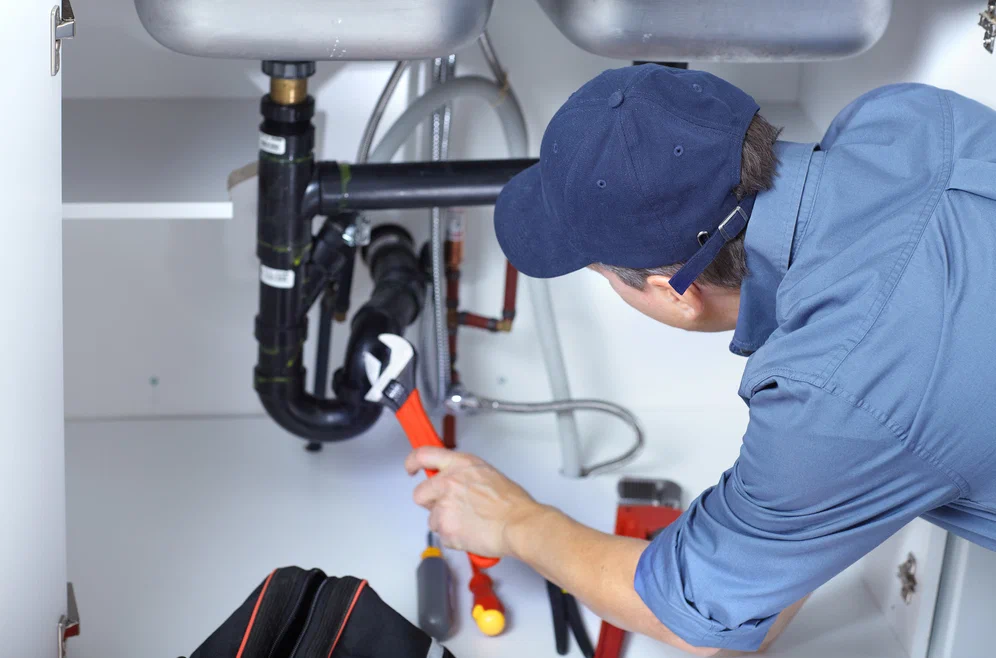
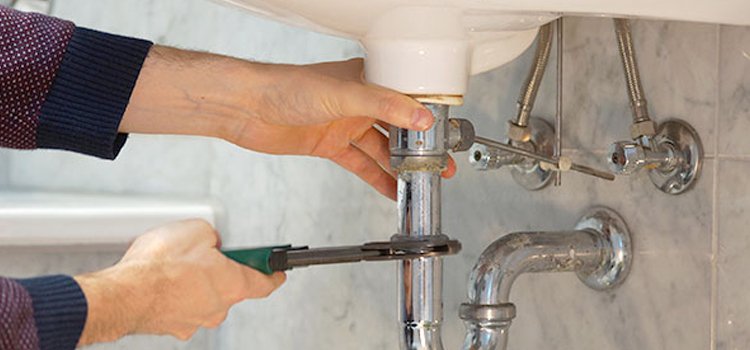
When old pipes start to leak, rust, or lose pressure, a quick repair may not be enough. Our plumbing replacement Midlothian VA service removes worn pipes, fixtures, and valves and installs new ones built to last. We work with copper, PEX, and PVC piping and match each material to your building and budget. Every job starts with a careful look at your water lines, drain lines, and shutoff valves, so you know what needs replacing now and what can safely wait. You get clear answers first, and work begins only after you approve the plan.
Homes across Midlothian, from Brandermill to Salisbury and Charter Colony, often have plumbing that is 30 years old or more. Galvanized steel rusts from the inside, and polybutylene pipe can fail without warning. Leo's Plumbing and Repair replaces these aging lines with modern materials that protect water quality and cut down on leaks. Whether you need one section fixed or the whole system updated, we keep the work clean, on schedule, and easy to understand. You get a fair price and a job done to Virginia code.
Professional Solutions for All Plumbing Replacement Needs
Our team handles home plumbing replacement in Midlothian, VA, from a single fixture line to full repiping. Residential plumbing replacement in Midlothian, VA is our most common job, especially after leaks, low water pressure, or a kitchen or bath remodel. We also offer commercial plumbing replacement in Midlothian, VA for shops, offices, and restaurants that cannot afford long downtime. Permits and inspections are coordinated with Chesterfield County when required. New pipes, valves, and fittings are pressure-tested before we leave.

Water Line Replacement
Fixture & Valve Replacement
Whole-Home Repiping
Emergency Pipe Replacement
- Process
What Happens When You Request A Plumbing Replacement
Our process is simple and clear. We inspect, explain your options, replace the old plumbing, and test everything before the job is done.
Contact & Site Visit
Call us at 804-376-7235 and we will book a visit to check your pipes and explain your options.
Expert Pipe Replacement
We shut off the water, remove old pipes, and install new lines with care to protect your walls.
Testing & Final Check
We pressure-test every connection, clean the work area, and walk you through the finished job.
- Testimonial
What Our Clients Say
5.0
Leo’s Plumbing & Repair made our plumbing replacement much easier than expected. They inspected the existing system, explained what needed to be replaced, and completed the work carefully. Everything was left clean and working properly. Highly recommend them for plumbing replacement in Midlothian.



Daniel M.
Customer
5.0
We had an issue with an aging water line and contacted Leo’s Plumbing & Repair. They quickly identified the problem and explained our replacement options clearly. The work was completed professionally, and we appreciated the communication throughout the process.

Esther H.
Customer
5.0
Leo’s Plumbing & Repair replaced several old plumbing fixtures and valves in our home. The technician was professional, careful, and took the time to make sure everything was working correctly before leaving. The whole process was straightforward and hassle-free.

Dorry F.
Customer
Frequently Asked Questions
Here are quick answers to the questions Midlothian homeowners and business owners ask most about plumbing replacement.
1. How do I know if my plumbing needs replacement instead of repair?
Look for repeated leaks, brown or rusty water, low water pressure, flaky or green-stained pipes, and rising water bills. If you fix one leak and another appears soon after, the pipes are usually failing throughout. Homes with galvanized steel or polybutylene pipes often need replacement. We inspect the system first and tell you honestly whether a repair will hold.
2. How much does plumbing replacement cost in Midlothian, VA?
Cost depends on the pipe material, the size of your home, how easy the pipes are to reach, and how much of the system is replaced. Swapping one fixture line costs far less than whole-home repiping. We give a clear quote after seeing your plumbing, so there are no surprises. Call 804-376-7235 to schedule a visit.
3. How long does plumbing replacement take?
Small jobs like a valve, fixture, or short pipe section often finish in a few hours. Whole-home repiping usually takes a few days, depending on the size of the house. We plan the work in stages and tell you when the water will be off, so your daily routine is disturbed as little as possible.
4. Do you handle both residential and commercial plumbing replacement?
Yes. We replace plumbing in single-family homes, townhomes, and condos, as well as in offices, shops, and restaurants. Residential jobs focus on comfort, water quality, and leak prevention. Commercial jobs are scheduled to limit downtime for staff and customers. Both follow Virginia plumbing code.
5. Do I need a permit for plumbing replacement in Chesterfield County?
Many replacement projects, such as repiping or replacing a water heater, need a permit and an inspection. Requirements vary by scope, so we check the current rules with Chesterfield County before starting. A permitted job protects your safety, your insurance coverage, and your home's resale value.
Understanding Plumbing Replacement in Midlothian, VA
Plumbing replacement is different from a routine plumbing repair. A repair typically addresses a specific leak, blockage, fitting, or failed component, while replacement involves removing an aging, damaged, corroded, or unreliable plumbing component and installing a suitable new one. For homeowners and businesses in Midlothian, VA, replacing problematic plumbing can help restore dependable water flow, reduce recurring problems, and improve the reliability of the overall plumbing system.
Leo’s Plumbing & Repair provides plumbing replacement solutions for residential and commercial properties, including replacement of plumbing fixtures, valves, water lines, and other components when repair is no longer a practical solution.
When Should Plumbing Be Replaced Instead of Repaired?
One of the most common questions homeowners ask is whether a plumbing problem requires repair or complete replacement. The answer depends on the age, condition, location, material, extent of damage, and history of the plumbing component.
Replacement may be appropriate when a component has experienced repeated failures, extensive corrosion, severe deterioration, or damage that cannot be reliably corrected with a repair. An inexpensive repair may also become less practical when the same component continues to fail.
Common signs that you may need plumbing replacement include:
- Recurring leaks from the same plumbing component
- Corroded or deteriorating pipes
- Persistent low water pressure
- Discolored water associated with deteriorating plumbing
- Frequently failing valves or fixtures
- Water damage around plumbing connections
- Outdated plumbing components
- Multiple plumbing problems occurring in the same area
- Pipes that have become brittle, damaged, or severely worn
- A plumbing system that requires frequent repairs
A professional plumbing inspection can help determine whether replacing one component is sufficient or whether additional plumbing work should be considered.
How Does a Plumbing Replacement Work?
A professional plumbing replacement should begin with an assessment rather than immediately removing the existing component. Understanding the cause of the problem helps determine the appropriate replacement method and prevents simply replacing a component without addressing the underlying issue.
1. Inspect the Existing Plumbing
The first step is evaluating the affected plumbing. A plumber examines the component, connections, surrounding piping, visible signs of corrosion or leakage, and the condition of related plumbing.
The inspection can help identify whether the problem is isolated or connected to a larger plumbing issue.
2. Determine Repair or Replacement Requirements
After the inspection, the plumber can explain whether the component can reasonably be repaired or whether replacement is more appropriate. This may involve comparing the condition and expected service life of the existing component with the reliability of a new installation.
3. Select the Appropriate Replacement
The replacement component needs to be compatible with the existing plumbing system. Factors can include pipe size, connection type, application, location, water supply configuration, and the specific requirements of the property.
4. Prepare the Plumbing System
Before removing a plumbing component, the affected water supply may need to be shut off. The area is prepared so the existing component can be removed safely while minimizing unnecessary disruption.
5. Remove the Failed Component
The damaged or outdated plumbing component is removed along with any connection materials that are no longer suitable for continued use. If surrounding piping is also deteriorated, additional replacement may be recommended.
6. Install the New Plumbing Component
The new component is installed using compatible connections and appropriate plumbing practices. The objective is to create a secure connection and restore the intended function of the plumbing system.
7. Test the Replacement
After installation, the plumbing is tested for leaks, proper operation, water flow, and other observable issues. Testing is an important part of the replacement process because a component should not simply be installed and left unchecked.
What Plumbing Components Can Be Replaced?
Plumbing replacement can involve many different components throughout a residential or commercial property. The required solution depends on what has failed and the condition of the surrounding system.
Water Line Replacement
Damaged or deteriorated water lines can affect water delivery throughout a property. Water line replacement may be considered when a supply line has significant deterioration, recurring leaks, or other conditions that make continued repairs impractical.
Plumbing Fixture Replacement
Sinks, faucets, toilets, and other plumbing fixtures can eventually become worn, damaged, or unreliable. Replacing an outdated fixture can address persistent leaks or operational problems while providing a properly functioning replacement.
Valve Replacement
Plumbing valves control or regulate water flow through different parts of a plumbing system. A valve that no longer shuts off properly, leaks around its connection, or has become severely worn may require replacement.
Pipe Replacement
Individual sections of plumbing pipe may require replacement when they are damaged or deteriorated. The appropriate solution depends on the location and condition of the affected piping and how it connects to the rest of the plumbing system.
Emergency Plumbing Replacement
Some plumbing failures require prompt attention because continued water flow can contribute to property damage. Emergency plumbing replacement may be necessary when a failed component cannot safely remain in service until a later repair appointment.
How Do You Know if Your Plumbing Problem Is More Than a Leak?
A visible leak does not always indicate that the leaking connection itself is the only problem. Corrosion, deteriorated piping, failed valves, damaged fittings, or excessive pressure can contribute to repeated leaks.
If the same plumbing area has required multiple repairs, it can be useful to have the surrounding plumbing evaluated. Identifying the reason for recurring failures may help determine whether targeted repair or plumbing replacement is the more appropriate approach.
Plumbing Replacement for Older Homes in Midlothian
Older homes can contain plumbing components that have been in service for many years. Age alone does not automatically mean an entire plumbing system needs replacement. However, older plumbing should be evaluated when it begins developing recurring leaks, corrosion, poor water flow, or other reliability issues.
A plumbing professional can assess accessible components and identify areas that may require replacement. This approach allows homeowners to address documented problems rather than automatically replacing plumbing that remains functional.
Residential and Commercial Plumbing Replacement
Plumbing replacement needs can differ between homes and commercial properties. Residential plumbing replacement may involve fixtures, valves, water lines, or individual sections of piping. Commercial plumbing systems can involve more extensive configurations and may require consideration of the property’s usage, plumbing layout, and operational requirements.
For either property type, the replacement process should focus on identifying the failed component, selecting a compatible replacement, completing the installation correctly, and testing the completed work.
What Can Cause Plumbing Components to Fail?
Several factors can contribute to plumbing deterioration or failure. These may include age, corrosion, normal wear, damaged connections, physical damage, repeated leaks, improper previous installation, or environmental conditions around the plumbing.
Understanding the cause is important because replacing a failed component without addressing related problems may result in another failure later.
How Can Homeowners Reduce Plumbing Replacement Problems?
Regular attention to plumbing can help identify developing issues before they become larger problems. Homeowners should pay attention to unexplained water stains, persistent dripping, changes in water pressure, unusual moisture around plumbing fixtures, and recurring leaks.
It is also useful to know where the property’s main water shutoff is located. In the event of a significant plumbing failure, shutting off the water can help limit unnecessary water exposure while professional assistance is arranged.
Frequently Asked Questions About Plumbing Replacement
What is the difference between plumbing repair and plumbing replacement?
Plumbing repair generally restores a damaged component without replacing the entire component. Plumbing replacement removes a failed, deteriorated, or unsuitable component and installs a new one. The appropriate option depends on the condition and reliability of the existing plumbing.
How long does a plumbing replacement take?
The time required varies according to the component being replaced, its location, accessibility, the condition of surrounding plumbing, and whether additional work is necessary. A simple fixture or valve replacement may be substantially different from replacing a section of water line or multiple plumbing components.
Can only one section of plumbing be replaced?
Yes. Plumbing replacement does not necessarily mean replacing an entire plumbing system. When the problem is localized, a plumber may be able to replace the affected component or section while leaving properly functioning plumbing in place.
Does low water pressure mean I need new plumbing?
Not necessarily. Low water pressure can have several possible causes. A professional assessment can help determine whether the issue is related to a fixture, valve, supply line, blockage, pressure-related issue, or another part of the plumbing system.
Is plumbing replacement necessary after every major leak?
No. A major leak does not automatically mean that replacement is required. The condition of the failed component and surrounding plumbing should be evaluated to determine whether a repair or replacement provides the appropriate solution.
Professional Plumbing Replacement in Midlothian, Virginia
When plumbing components become unreliable, the goal should be to identify the actual source of the problem and select a practical solution for the property. Whether the need involves plumbing replacement in Midlothian, VA, water line replacement, plumbing fixture replacement, valve replacement, pipe replacement, emergency plumbing replacement, residential plumbing replacement, or commercial plumbing replacement, a professional evaluation can help determine the appropriate next step.
Leo’s Plumbing & Repair serves property owners looking for dependable plumbing solutions in Midlothian, VA and surrounding Chesterfield County communities. Professional assessment, appropriate component selection, careful installation, and post-installation testing can help restore the function and reliability of your plumbing system.